



In another victory for our constitutional rights, the Superior Court of California, County of Alameda, located at the Hayward Hall of Justice, recently ruled in favor of John Doe in his challenge to the Livermore Police Department’s denial of his concealed carry weapon (CCW) license. This decision, issued on October 8, 2025, under Penal Code Section 26206, marks a significant victory for gun owners navigating California’s complex firearms regulations in the post-Bruen era.
To fully appreciate this ruling, it’s essential to understand the seismic shift in U.S. gun laws triggered by the U.S. Supreme Court’s 2022 decision in New York State Rifle & Pistol Association, Inc. v. Bruen. In a 6-3 ruling, the Court struck down New York’s “proper cause” requirement for concealed carry permits, holding that it violated the Second and Fourteenth Amendments by preventing law-abiding citizens from exercising their right to bear arms in public for self-defense. The Court emphasized that the Second Amendment protects an individual’s right to carry firearms publicly for self-defense, and regulations must be consistent with historical traditions of firearm regulation.
In response, California transitioned from a “may-issue” system—where issuing authorities had broad discretion—to a “shall-issue” framework. As of June 23, 2022, following Bruen, licenses must be issued to qualified applicants unless specific disqualifying factors exist. However, the state enacted Senate Bill 2 (SB 2) in 2023, which updated CCW laws to include new requirements like background checks, training, and restrictions on carrying in “sensitive places” such as schools, government buildings, and parks. Despite this, issuing authorities in anti-rights jurisdictions are doing what they can to limit the amount of licenses issued, including abusing the objective standards requirements provided by SB 2.
Penal Code Section 26202 outlines disqualifying factors, such as a history of violence or mental health issues that pose a danger to self or others. Licensing agencies must conduct thorough investigations, including psychological assessments, but denials must be supported by a preponderance of evidence—a standard the court rigorously applied in this case.
John Doe’s saga began on November 4, 2024, when he submitted his initial application for a CCW license to the Livermore Police Department. Following standard procedure, he underwent fingerprinting and an interview in December 2024. On May 1, 2025, a psychological assessment was conducted, which ultimately played a pivotal role in the denial.
The department issued a denial letter on June 17, 2025, citing concerns from the assessment. Doe promptly filed a challenge under Penal Code Section 26206, and a hearing was held on October 1, 2025, before the Alameda County Superior Court. The People were represented by the District Attorney’s Office, with no criminal history report showing arrests or convictions for Doe.
Key facts from the case include:
The court meticulously reviewed these elements, concluding there was no preponderance of evidence that Doe posed a risk to himself, others, or the community.
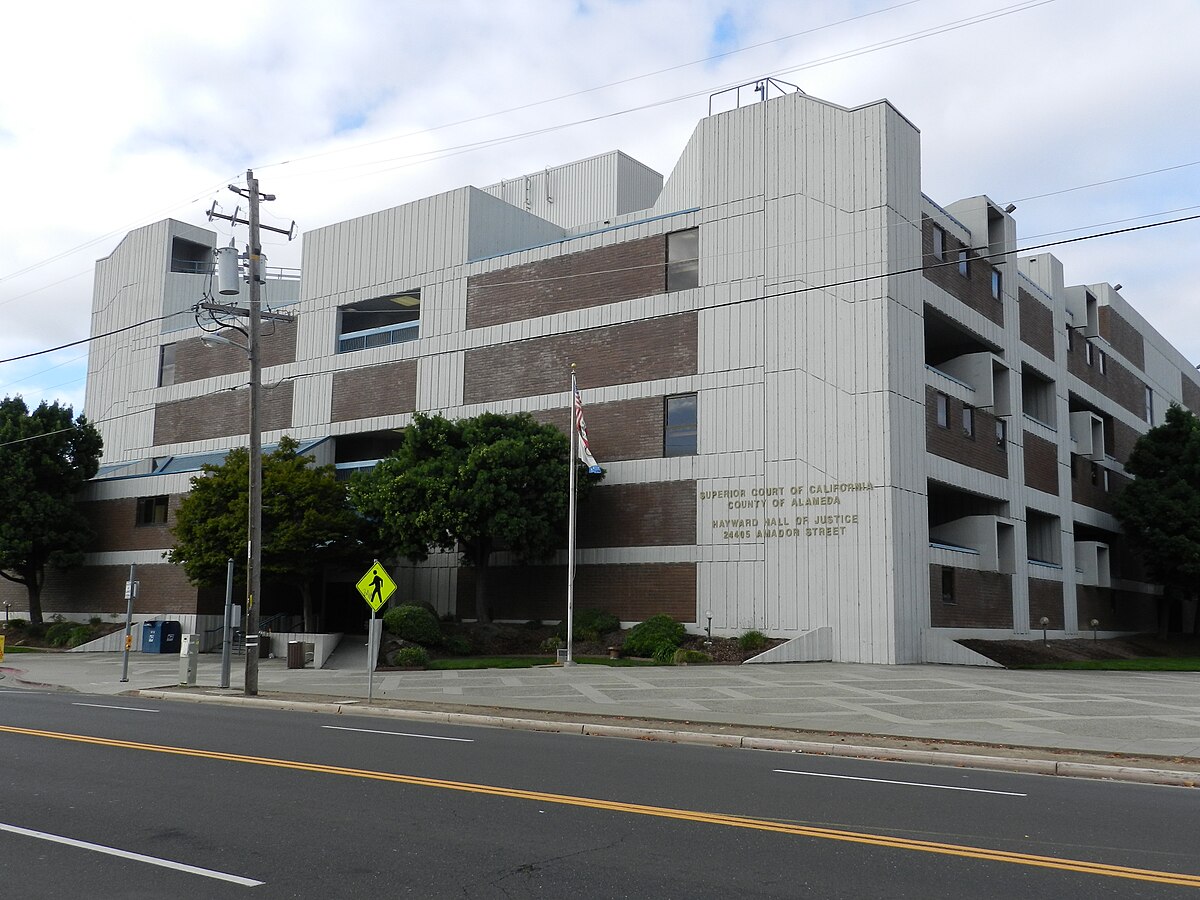
The Hayward Hall of Justice, where the ruling was issued.
In its detailed order, the court highlighted several deficiencies in the department’s process:
As a result, the court ordered that John Doe is not a disqualified person and directed the Livermore Police Department to issue a notice allowing him to complete the required training and proceed with licensure.
This ruling underscores the importance of objective standards in CCW evaluations, aligning with Bruen’s mandate that restrictions must not unduly burden law-abiding citizens.
This victory was spearheaded by Jason Davis, a seasoned attorney with over 32 years in California’s firearms industry. Before entering law, Davis worked as a representative for major firearms manufacturers, giving him unparalleled insight into the regulatory landscape. As the founder of The Davis Law Firm, based in Mission Viejo, he specializes in firearm-related legal matters, including CCW challenges, possession issues, and compliance consultations.
The firm has earned praise for its expertise, with clients noting Davis’s deep knowledge of California gun laws and responsive service. In this case, Davis’s advocacy exposed procedural flaws and ensured the court focused on facts over speculation, ultimately overturning the denial.
This case highlights ongoing challenges in California’s CCW system. Despite Bruen, denials and delays persist— for instance, between January 2024 and March 2025, the Los Angeles Sheriff’s Department processed only a fraction of its 3,982 applications promptly. Such rulings could encourage more challenges, reinforcing that denials must be evidence-based.
For gun owners, it serves as a reminder that rights protected by the Second Amendment extend to public carry, provided applicants meet objective criteria.
If you’ve been denied a CCW license in California—or face other firearm-related legal hurdles—don’t give up. Contact The Davis Law Firm today at (866) 545-GUNS or visit calgunlawyers.com for a consultation. With specialists like Jason Davis on your side, you can navigate the complexities of state laws and fight for your rights.
A heartfelt congratulations to the Superior Court of California, County of Alameda for demonstrating the utmost respect for the law, the facts, and justice during the October 1, 2025, hearing and in its subsequent opinion. By prioritizing evidence over assumption, this decision upholds constitutional principles and ensures fair application of the law for all. 🇺🇸 #2A #GunRights #CaliforniaLaw #BruenVictory
Subscribe to get the latest posts sent to your email.